

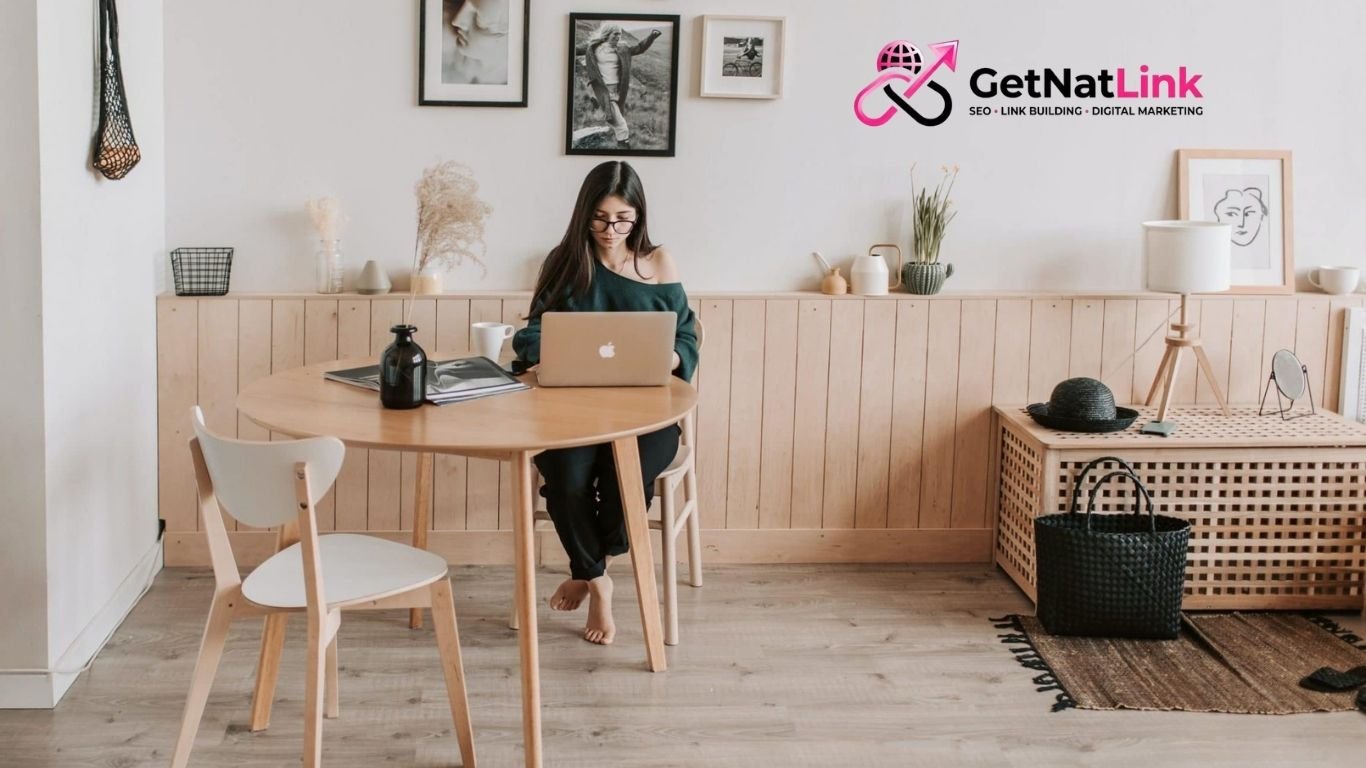
Many people feel overwhelmed by endless possessions, digital distractions, and busy schedules. As a result, minimalist living has become more than just a trend it’s a practical lifestyle that helps people focus on what truly matters.Minimalism isn’t about living with almost nothing or sacrificing comfort. Instead, it’s about intentionally removing unnecessary clutter, simplifying your surroundings, and making room for meaningful experiences, healthier relationships, and personal growth.
What Is Minimalist Living?
Minimalist living is a lifestyle centered around intentional simplicity. It encourages keeping only the possessions, commitments, and habits that add genuine value to your life while eliminating unnecessary distractions.
Minimalism looks different for everyone. For some, it means owning fewer clothes. For others, it involves reducing digital distractions, simplifying finances, or adopting mindful spending habits.
The core idea is simple:
- Own less.
- Spend wisely.
- Focus on experiences.
- Prioritize quality over quantity.
- Live with purpose.
Why More People Are Choosing Minimalism
Modern life often encourages constant consumption. New gadgets, fashion trends, subscriptions, and social media comparisons make it easy to accumulate more than we need.
Minimalism offers an alternative by helping people:
- Reduce stress
- Save money
- Improve focus
- Spend more time with family
- Create organized living spaces
- Enjoy greater mental clarity
Many individuals discover that happiness comes from meaningful experiences rather than material possessions.
Top Benefits of Minimalist Living
Reduces Stress and Anxiety
Clutter can overwhelm the brain and make it difficult to relax. A clean and organized environment promotes calmness and mental clarity.
Minimalist homes often feel:
- Peaceful
- Spacious
- Easier to maintain
- Less visually distracting
This can contribute to lower stress levels and improved emotional well-being.
Saves Money
One of the biggest financial benefits of minimalism is spending less on unnecessary purchases.
Instead of buying impulsively, minimalists focus on intentional purchasing decisions.
You may save money by:
- Buying fewer clothes
- Avoiding impulse shopping
- Reducing subscriptions
- Spending less on decorations
- Purchasing high-quality products that last longer
Over time, these habits can significantly improve financial stability.
Creates More Free Time
Owning fewer possessions means spending less time:
- Cleaning
- Organizing
- Repairing
- Shopping
- Managing belongings
The extra time can be invested in hobbies, fitness, travel, reading, or spending quality moments with loved ones.
Improves Mental Clarity
Minimalism helps remove distractions, allowing your mind to focus on important tasks.
Many people report improvements in:
- Productivity
- Creativity
- Concentration
- Decision-making
A simplified environment often leads to a more focused lifestyle.
Makes Cleaning Easier
A clutter-free home requires less maintenance.
Benefits include:
- Faster cleaning
- Better organization
- Less dust accumulation
- Easier storage management
Many minimalists find that household chores become far less overwhelming.
Encourages Better Spending Habits
Minimalism promotes thoughtful purchasing decisions.
Before buying something new, ask yourself:
- Do I truly need this?
- Will I use it regularly?
- Does it improve my life?
- Can I borrow or rent instead?
These simple questions help reduce unnecessary spending.
Supports Better Relationships
When material possessions become less important, people often spend more time nurturing relationships.
Minimalist living encourages:
- Family activities
- Meaningful conversations
- Shared experiences
- Less time shopping
- More time together
Promotes Environmental Sustainability
Consuming less naturally reduces waste.
Minimalists often:
- Reuse products
- Recycle responsibly
- Buy durable items
- Reduce plastic waste
- Donate unused belongings
These habits contribute to a healthier environment.
Practical Tips to Start Minimalist Living
Starting doesn’t require throwing everything away overnight. Small, consistent steps work best.
Start with One Room
Choose one area, such as:
- Bedroom
- Kitchen
- Closet
- Office
- Bathroom
Decluttering one space builds momentum for larger projects.
Follow the One-Year Rule
If you haven’t used an item in the past year, consider whether you truly need it.
Exceptions include:
- Important documents
- Seasonal equipment
- Emergency supplies
- Sentimental keepsakes
Everything else deserves honest evaluation.
Declutter Your Wardrobe
A minimalist wardrobe doesn’t mean owning only a few outfits.
Instead, focus on clothing that:
- Fits well
- Matches your style
- Is comfortable
- Gets regular use
Donate clothes that no longer serve you.
Buy Less, Choose Better
Quality often provides better value than quantity.
Before making purchases:
- Compare products
- Read reviews
- Consider long-term durability
- Avoid impulse buying
Investing in well-made products can reduce future expenses.
Create a Capsule Wardrobe
A capsule wardrobe consists of versatile clothing items that mix and match easily.
Benefits include:
- Faster outfit decisions
- Less closet clutter
- Reduced shopping
- More consistent style
Simplify Digital Life
Digital clutter can be just as stressful as physical clutter.
Take time to:
- Delete unused apps
- Organize files
- Unsubscribe from unnecessary emails
- Limit social media usage
- Remove duplicate photos
A cleaner digital space improves productivity.
Organize Important Documents
- Keep only essential paperwork.
- Digitize documents whenever possible to reduce physical storage while improving accessibility.
Practice Mindful Shopping
Before purchasing anything, wait 24 to 48 hours.
This simple pause often prevents emotional or impulsive purchases.
Ask yourself:
- Is this a need or a want?
- Will I still value it next month?
- Does it align with my goals?
Adopt the One-In, One-Out Rule
Whenever you buy something new, remove one similar item from your home.
For example:
- Buy new shoes → donate old shoes.
- Purchase a new jacket → donate an older jacket.
This habit prevents clutter from returning.
Focus on Experiences Instead of Possessions
Many people remember vacations, family dinners, concerts, and adventures far more vividly than material purchases.
Consider spending money on:
- Travel
- Learning new skills
- Fitness activities
- Family outings
- Personal development
These experiences often provide lasting happiness.
Minimalist Living on a Budget
Minimalism isn’t expensive.
In fact, it usually helps reduce spending.
Affordable ways to embrace minimalism include:
- Borrow instead of buying.
- Repair items before replacing them.
- Shop second-hand.
- Sell unused belongings.
- Avoid unnecessary subscriptions.
- Cook meals at home.
Minimalism often leads to long-term financial freedom.
How Minimalism Improves Mental Health
A simplified lifestyle can positively affect emotional well-being by reducing daily decision fatigue and creating a sense of control.
Benefits may include:
- Better sleep
- Improved concentration
- Lower anxiety
- Greater life satisfaction
- Increased mindfulness
While minimalism is not a substitute for professional mental health care, many people find it supports a calmer, more balanced lifestyle.
Minimalist Habits You Can Start Today
Simple daily habits include:
- Make your bed every morning.
- Spend 10 minutes decluttering.
- Avoid impulse purchases.
- Donate one item each week.
- Plan meals in advance.
- Limit screen time.
- Practice gratitude.
- Keep countertops clear.
- Finish one task before starting another.
- Review monthly expenses.
Small habits create lasting change over time.
Mistakes to Avoid When Starting Minimalism
Avoid these common pitfalls:
- Decluttering too quickly.
- Comparing yourself to others.
- Buying “minimalist” products unnecessarily.
- Expecting perfection.
- Discarding sentimental items without thought.
- Treating minimalism as a competition.
Remember, minimalism should make life easier—not stressful.
Long-Term Benefits of Minimalist Living
People who consistently practice minimalism often experience:
- Greater financial freedom
- Improved organization
- Better work-life balance
- Reduced stress
- Stronger relationships
- More intentional living
- Higher productivity
- Cleaner homes
- Increased happiness
- Greater appreciation for life’s simple pleasures
Minimalism is less about deprivation and more about creating space for what truly matters.
Frequently Asked Questions
What is minimalist living?
Minimalist living is a lifestyle focused on intentionally owning fewer unnecessary possessions and prioritizing meaningful experiences, financial freedom, and personal well-being.
What are the biggest benefits of minimalism?
The main benefits include reduced stress, lower expenses, improved organization, better focus, easier home maintenance, and increased life satisfaction.
Can families practice minimalist living?
Yes. Families can embrace minimalism by simplifying routines, reducing clutter, organizing shared spaces, and focusing on quality time instead of accumulating more belongings.
Does minimalist living save money?
Absolutely. Minimalism encourages mindful spending, fewer impulse purchases, and investing in quality items, which can lead to significant long-term savings.
How do I start living a minimalist lifestyle?
Begin by decluttering one room, removing unused items, practicing mindful shopping, simplifying your schedule, and gradually reducing unnecessary possessions.
Conclusion
Minimalist living is not about owning the fewest possessions or following strict rules. Instead, it’s about making intentional choices that align with your values, priorities, and long-term goals.By reducing clutter, simplifying your daily routines, and focusing on meaningful experiences, you can create a lifestyle that feels calmer, more organized, and more fulfilling. Whether you begin by cleaning out one drawer, reducing unnecessary expenses, or limiting digital distractions, every small step brings you closer to a simpler and more purposeful life.
