

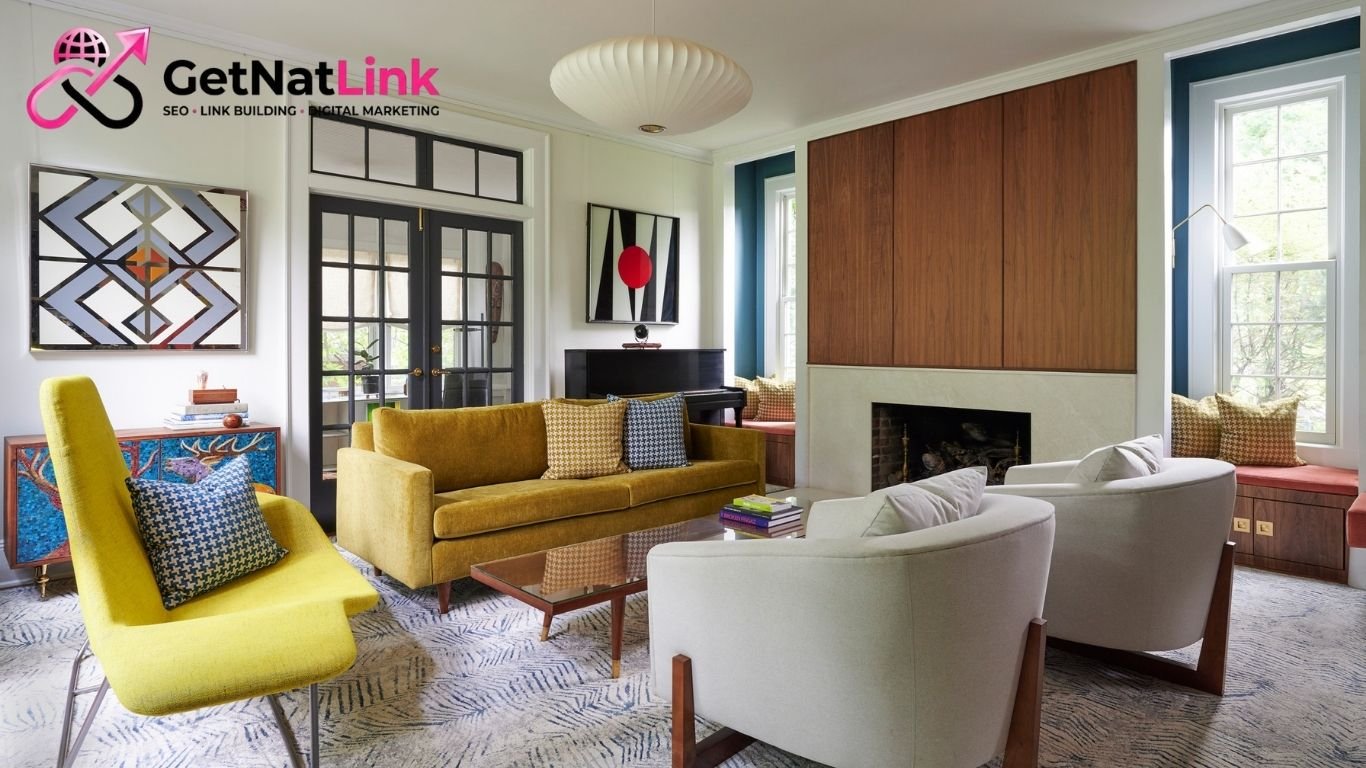
Home design continues to evolve as homeowners seek spaces that are stylish, functional, sustainable, and technology-driven. In 2026, modern homes are no longer just about beautiful interiors—they’re designed to improve daily life, increase energy efficiency, and create a healthier living environment.Whether you’re planning a complete home renovation or simply looking to refresh your interior, understanding the latest home design trends can help you make smart decisions that add value and comfort to your property.
Unlike fashion with its endless cycles of newness, interior design tends to run on a slower track. It would be impractical to reinvent your home whenever a new trend surfaced, but surveying the current landscape of interiors can offer inspiration when updating a room or renovating. Perhaps more importantly, these trends mirror culture at large the way we live, what we value, and how we want to feel when we wake up in the morning and come home at night. And now that we’ve arrived at 2026’s midpoint, the year’s most defining trends have shifted further into focus.
Why Modern Home Design Matters in 2026
Modern home design isn’t just about appearance. Today’s homeowners prioritize:
- Energy efficiency
- Sustainable living
- Smart technology integration
- Flexible spaces
- Comfort and wellness
- Low-maintenance materials
- Increased property value
A thoughtfully designed home can reduce utility costs, improve productivity, support mental well-being, and create an inviting atmosphere for family and guests.
Sustainable and Eco-Friendly Materials
Environmental awareness continues to shape home design in 2026.
Homeowners are choosing sustainable building materials that reduce environmental impact while providing long-lasting durability.
Popular eco-friendly materials include:
- Bamboo flooring
- Recycled wood
- Cork
- Reclaimed timber
- Recycled metal
- Natural stone
- Clay finishes
- Low-VOC paints
These materials not only protect the environment but also add warmth and character to modern interiors.
Smart Home Integration
Technology has become an essential part of modern living.
Smart homes now include:
- Voice-controlled lighting
- Smart thermostats
- Automated blinds
- AI-powered security systems
- Smart door locks
- Video doorbells
- Energy monitoring devices
- Smart appliances
These innovations improve convenience while reducing electricity consumption and increasing home security.
Minimalist Interior Design
Minimalism remains one of the strongest home design trends in 2026.
The philosophy focuses on:
- Clean lines
- Open spaces
- Neutral colors
- Functional furniture
- Reduced clutter
- High-quality materials
Rather than filling rooms with unnecessary decorations, minimalist homes emphasize intentional design and practical living.
Warm Neutral Color Palettes
While white remains popular, homeowners are embracing warmer tones.
Trending colors include:
- Soft beige
- Warm white
- Taupe
- Sand
- Olive green
- Terracotta
- Sage green
- Mushroom gray
These shades create calming environments that feel welcoming and timeless.
Multifunctional Living Spaces
As remote work continues, flexible rooms have become increasingly important.
Examples include:
- Home office + guest room
- Dining room + workspace
- Living room + study area
- Bedroom + reading corner
Modular furniture makes it easy to maximize limited space while maintaining a clean appearance.
Natural Light as a Design Feature
Natural lighting dramatically enhances the appearance of any home.
Modern homes now feature:
- Floor-to-ceiling windows
- Skylights
- Glass walls
- Large sliding doors
- Open layouts
Benefits include:
- Lower electricity bills
- Better mood
- Improved productivity
- Enhanced visual appeal
- Healthier indoor environment
Biophilic Design
Biophilic design connects indoor spaces with nature.
Popular elements include:
- Indoor plants
- Vertical gardens
- Natural wood
- Stone accents
- Water features
- Organic textures
- Nature-inspired artwork
Adding greenery creates healthier air quality while making interiors feel more relaxing.
Popular indoor plants include:
- Snake Plant
- Peace Lily
- Monstera
- Pothos
- Rubber Plant
- ZZ Plant
Statement Lighting
Lighting has become one of the biggest design statements in 2026.
Trending fixtures include:
- Sculptural pendant lights
- Oversized chandeliers
- LED strip lighting
- Wall sconces
- Smart ambient lighting
- Recessed ceiling lights
Layered lighting combines:
- Ambient lighting
- Task lighting
- Accent lighting
Together they create both functionality and atmosphere.
Curved Furniture and Soft Shapes
Sharp edges are giving way to softer designs.
Popular furniture includes:
- Curved sofas
- Round coffee tables
- Oval mirrors
- Circular rugs
- Arched doorways
- Rounded cabinetry
Soft shapes create a more welcoming and comfortable environment.
Sustainable Kitchen Designs
The kitchen remains the heart of the home.
Modern kitchens now feature:
- Energy-efficient appliances
- Quartz countertops
- Recycled materials
- Handleless cabinets
- Smart faucets
- Touchless sinks
- Hidden storage
- Large kitchen islands
Neutral cabinetry paired with natural wood creates an elegant, timeless look.
Spa-Inspired Bathrooms
Bathrooms are becoming personal wellness retreats.
Popular features include:
- Walk-in showers
- Rainfall showerheads
- Freestanding tubs
- Floating vanities
- Heated floors
- LED mirrors
- Natural stone
- Wooden accents
Earth-tone colors contribute to a peaceful atmosphere.
Outdoor Living Spaces
Homeowners are investing more in outdoor areas.
Modern outdoor spaces often include:
- Outdoor kitchens
- Fire pits
- Pergolas
- Comfortable seating
- Dining areas
- Vertical gardens
- Solar lighting
These additions extend usable living space throughout the year.
Textured Walls
Flat painted walls are being replaced by textured finishes.
Popular wall treatments include:
- Limewash
- Venetian plaster
- Wood slats
- Decorative panels
- Stone accent walls
- Textured wallpaper
These materials add visual depth without overwhelming a room.
Hidden Storage Solutions
Organization is a key component of modern design.
Popular storage ideas:
- Under-stair storage
- Built-in wardrobes
- Floating shelves
- Hidden kitchen cabinets
- Storage benches
- Platform beds with drawers
Hidden storage helps maintain clutter-free interiors.
Home Wellness Spaces
Many homeowners now dedicate areas specifically for wellness.
Examples include:
- Meditation rooms
- Yoga studios
- Home gyms
- Reading corners
- Relaxation lounges
These spaces promote physical and mental well-being.
Mixed Natural Textures
Combining various textures creates visual interest.
Popular combinations include:
- Wood + stone
- Linen + leather
- Marble + brass
- Concrete + oak
- Glass + metal
The result feels sophisticated without becoming overwhelming.
Personalized Interior Design
Rather than copying trends, homeowners increasingly personalize their spaces.
Personal touches include:
- Family photos
- Handmade artwork
- Vintage furniture
- Travel souvenirs
- Custom shelving
- Unique lighting
A personalized home feels authentic and welcoming.
Bold Accent Pieces
While neutral interiors dominate, bold accents provide personality.
Popular choices include:
- Colorful chairs
- Artistic rugs
- Statement artwork
- Decorative cushions
- Accent walls
- Designer lighting
These focal points make rooms memorable without requiring a complete redesign.
Energy-Efficient Home Features
Energy efficiency is one of the most valuable home upgrades.
Popular improvements include:
- Solar panels
- Triple-glazed windows
- Smart thermostats
- LED lighting
- High-performance insulation
- Energy-efficient HVAC systems
These upgrades reduce utility bills while supporting sustainable living.
Timeless Design Over Short-Term Trends
Many homeowners now prefer timeless design choices over rapidly changing trends.
Timeless features include:
- Neutral palettes
- Natural materials
- Quality craftsmanship
- Functional layouts
- Durable flooring
- Classic cabinetry
These investments remain stylish for many years.
Budget-Friendly Ways to Update Your Home
You don’t need a massive renovation budget to modernize your living space.
Affordable upgrades include:
- Repainting walls
- Replacing outdated lighting
- Adding indoor plants
- Installing floating shelves
- Updating cabinet hardware
- Buying modern cushions
- Rearranging furniture
- Hanging new artwork
- Replacing old curtains
- Adding mirrors to increase light
Small improvements often produce dramatic results.
Common Home Design Mistakes to Avoid
Avoid these common mistakes when updating your home:
- Following every trend without a plan
- Ignoring natural lighting
- Choosing style over functionality
- Overcrowding rooms
- Using too many colors
- Buying oversized furniture
- Forgetting storage needs
- Neglecting energy efficiency
- Mixing too many design styles
- Using poor-quality materials
Planning carefully ensures a cohesive and practical design.
Tips for Creating a Modern Home in 2026
To achieve a balanced, contemporary look:
- Prioritize functionality first.
- Invest in quality furniture.
- Use sustainable materials whenever possible.
- Incorporate smart home technology.
- Maximize natural light.
- Keep interiors organized.
- Add greenery throughout your home.
- Choose timeless colors.
- Mix textures thoughtfully.
- Personalize the space with meaningful décor.
Frequently Asked Questions
What is the biggest home design trend in 2026?
The biggest trend is combining sustainable materials with smart home technology to create energy-efficient, functional, and stylish living spaces.
Which colors are trending for modern homes in 2026?
Warm neutrals such as beige, taupe, sage green, terracotta, olive, and soft white are among the most popular color choices.
Is minimalist design still popular?
Yes. Minimalist design remains highly popular because it promotes clean, organized, functional spaces with timeless appeal.
How can I modernize my home on a budget?
Simple upgrades like repainting walls, replacing light fixtures, adding plants, updating cabinet hardware, installing floating shelves, and decluttering can significantly modernize your home without major expenses.
Are smart homes worth the investment?
Yes. Smart home features improve convenience, security, energy efficiency, and can increase your property’s resale value.
Conclusion
Modern home design in 2026 is about creating spaces that are beautiful, intelligent, sustainable, and highly functional. From smart home technology and eco-friendly materials to minimalist interiors and wellness-focused spaces, today’s trends prioritize both style and quality of life.
Whether you’re redesigning an entire house or updating a single room, focusing on timeless design principles, energy efficiency, and personalized décor will help you create a home that remains comfortable and valuable for years to come. By embracing these modern home design trends, you can transform your living space into a place that reflects your lifestyle while meeting the demands of the future.
